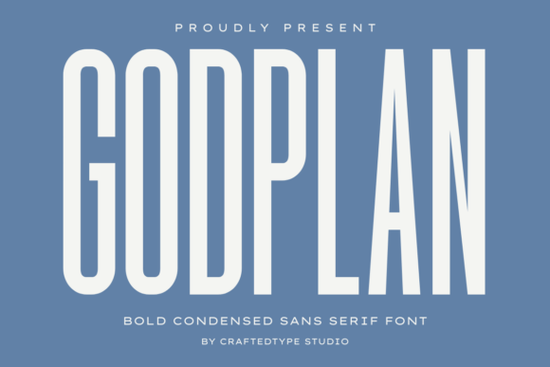
If you're looking for a bold, compact sans serif that holds its own on t-shirts, gym gear, or motivational posters Godplan Font is worth your attention. It’s not overly decorative or trendy; instead, it delivers clean authority through proportion and weight. Designed with tall x-heights and tight spacing, it fits strongly into small layouts without sacrificing legibility or impact. That makes it especially useful if you’re working with Print On Demand (POD) platforms where space on apparel or mugs is limited, but presence matters.
When does Godplan Font work best?
Think of situations where you need to say something short and mean it. A gym logo like “NO EXCUSES” hits harder in Godplan than in a light, airy typeface. So does a streetwear tagline printed across the chest of a black hoodie. Its condensed structure gives you room to keep text centered and balanced, even at large sizes. You’ll also find it works well for film title treatments or social media banners where vertical space is tight but visual confidence is non-negotiable.
Because it’s fully PUA encoded, accessing alternates, ligatures, or special characters is straightforward in design apps like Canva, Adobe Illustrator, or Affinity Designer no copy-paste workarounds needed. And since it comes in both OTF and TTF formats, compatibility isn’t an issue whether you're using Windows, macOS, or web-based tools.
How does it compare to other strong sans serifs?
Godplan sits comfortably alongside fonts built for clarity and command but each has its own personality. If you like the no-nonsense tone of Godplan, you might also appreciate Sunflower Font, which balances warmth with structure, or Bourgueil Font, which leans slightly more geometric and precise. For contrast, Bright Darling Duo offers a friendly dual-weight pairing, while Modern Limited shares Godplan’s tight proportions but adds subtle rounded edges. And if your project calls for something with a bit more motion or attitude, Adventure Font brings energy without sacrificing readability.
What kinds of projects get real results with Godplan?
- Print-on-demand apparel: Especially effective on dark fabrics where thick strokes stand out clearly.
- Motivational or faith-based designs: Its solid, grounded appearance supports messages about purpose, strength, or intention without looking preachy or dated.
- Sports and fitness branding: Works well for team names, challenge slogans (“30 DAYS STRONGER”), or gym wall decals.
- Social media graphics: Captures attention quickly in feed scrolling especially for quote cards or announcement banners.
- Minimalist corporate uses: Not just for loud designs its architectural feel pairs nicely with restrained layouts in presentations or pitch decks.
One thing to keep in mind: because Godplan is intentionally condensed and heavy, it’s not ideal for long paragraphs or body text. Stick to headlines, short phrases, logos, or single-word emphasis. That’s where it shines and where many designers accidentally overuse similar fonts. Let it do the heavy lifting once, then step back.
You can see how Godplan Font looks in different contexts directly on Creative Fabrica, including live previews and usage examples from real sellers. The page also shows compatible add-ons like matching dingbats or layout templates handy if you're building a full product line.
Before you download or license…
Here’s a quick practical checklist:
- ✅ Test it at actual print size not just on screen to confirm stroke thickness reads well on fabric or paper.
- ✅ Try pairing it with a neutral, open sans (like Inter or Montserrat) for supporting text avoid competing bold fonts.
- ✅ Check your POD platform’s font upload rules: some require specific naming or limit character sets (though Godplan’s PUA encoding helps here).
- ✅ If using in Canva, install the desktop app first web-only users sometimes miss advanced glyph access.
- ✅ Save a version of your logo or design with outlines applied before exporting final files for production.
Godplan isn’t flashy but it’s dependable, versatile, and quietly confident. That kind of reliability matters when you’re launching a new collection, testing a brand voice, or preparing assets for a client who values clarity over clutter.
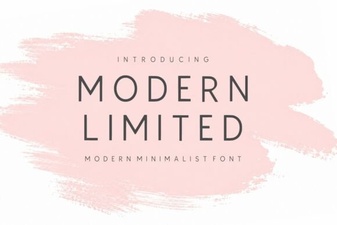 Modern Limited Font: Typography for Minimalist Projects
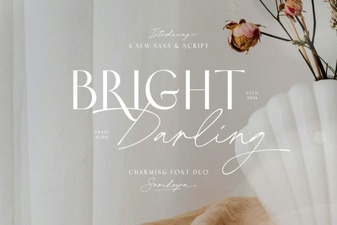 Bright Darling Duo: a Versatile Font Pairing for Creatives
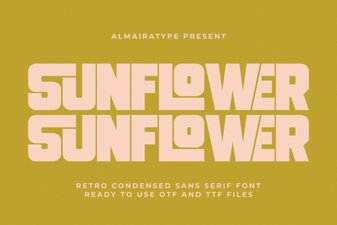 Sunflower Font for Bright, Creative Design Projects
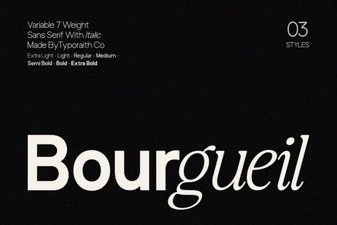 Bourgueil Font for Modern Design & Typography Projects
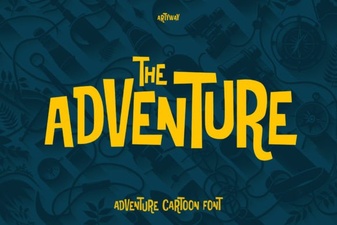 Design Adventure Fonts for Creative Projects
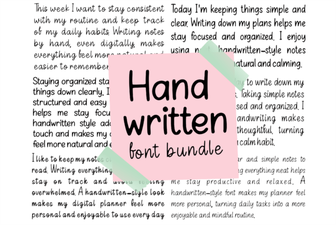 Enhance Your Designs with Our Handwritten Font Bundle