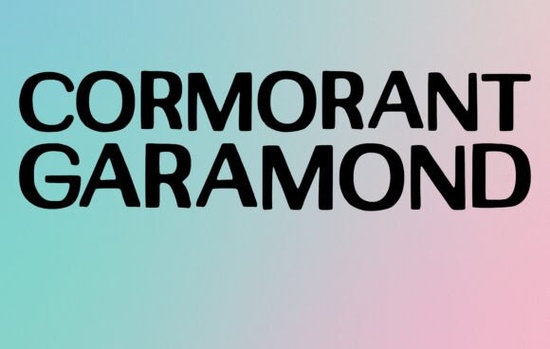
If you're looking for a versatile, readable serif font that works just as well on a wedding invitation as it does in a magazine layout or social media graphic, the Cormorant Garamond Font is worth your attention. It’s not overly ornate, but it carries quiet elegance clean lines, balanced proportions, and subtle contrast between thick and thin strokes. That makes it easy to read at small sizes (great for body text) and impactful at large ones (ideal for headlines or t-shirt designs). Unlike some display fonts that sacrifice function for flair, Cormorant Garamond was built to be used not just admired.
What kind of projects is Cormorant Garamond best for?
This font shines where clarity and character matter together. Think: editorial design, boutique branding, printed stationery, or even minimalist packaging. Its five weights (Light through Black) plus matching italics give you flexibility without needing to switch families mid-project. You can set a delicate caption in Light Italic and pair it with a bold headline all from the same cohesive set.
Because it’s based on historical Garamond models but refined for modern screens and print, it avoids the stiffness of older revivals. That means it feels familiar but fresh especially useful if you’re designing for clients who want timeless appeal without looking dated.
How does it compare to other popular serif options?
Compared to classic web-safe serifs like Georgia or Times New Roman, Cormorant Garamond has more personality and better spacing out of the box. It also scales more gracefully across devices and output types whether you're exporting a PDF for letterpress or prepping a PNG for Instagram Stories.
It’s less decorative than script-based serifs like those in our retro script collection, and more grounded than high-contrast display fonts such as Grinched 20. If you’ve tried designer serif fonts before and found them too rigid or too fussy, Cormorant Garamond strikes a middle ground: professional, warm, and quietly confident.
Where do crafters and small businesses actually use it?
- Wedding stationery: Couples love its refined look on save-the-dates, menus, and ceremony programs especially when paired with simple line art or muted color palettes.
- Print-on-demand products: Works reliably on mugs, tote bags, and greeting cards because its letterforms hold up well at medium sizes and don’t blur or pixelate easily.
- Social media graphics: Stands out in quote posts or announcement banners without competing with background imagery.
- Small business branding: Used thoughtfully, it gives bakeries, bookshops, or handmade goods brands a sense of care and consistency even without a full logo system.
One thing to keep in mind: while it’s highly legible, Cormorant Garamond isn’t meant to replace functional sans-serifs like Inter or Open Sans for UI or dense web copy. It’s a text and display serif so lean into that strength. For example, try using it for blog post titles and pull quotes, then switch to a neutral sans-serif for paragraphs.
Can I mix it with other fonts?
Absolutely and it pairs especially well with clean, low-contrast sans-serifs (think Lato, Poppins, or Montserrat). The contrast between serif and sans creates visual hierarchy without feeling forced. You’ll also find it complements gentle geometric fonts like Strong Bubble in playful contexts (e.g., a kids’ book cover or seasonal sale banner), as long as the weight balance feels intentional.
For holiday-themed work, it reads beautifully next to festive typefaces like Welcome Christmas use Cormorant Garamond for the “Merry” and the decorative font for “Christmas,” and you get warmth + structure in one layout.
Where to get it and what’s included?
You can download the full family including all weights, italics, and OpenType features like ligatures and stylistic alternates from Cormorant Garamond Font on Creative Fabrica. Licensing covers personal and commercial use, including POD platforms like Redbubble and Printful, so you won’t need extra permissions for client work or your own shop.
It’s also available in variable font format on some platforms, which means smaller file sizes and smoother weight transitions handy if you're building interactive web projects or motion graphics.
Quick tip before you download: Test it at real sizes on screen and in print. Try setting a short paragraph at 14pt and a headline at 60pt side by side. If both feel comfortable to read and visually connected, you’ve got a solid pairing foundation.
Before you start designing:
- Download the full family not just one weight.
- Test readability in your intended medium (e.g., mock up a t-shirt design at actual print size).
- Avoid overusing stylistic alternates unless they serve a clear purpose sometimes the default glyphs are strongest.
- Check line height and letter spacing in your layout software; serif fonts often need slightly more breathing room than sans-serifs.
- Save a style guide snippet with your preferred pairings (e.g., “Cormorant Garamond Bold + Inter Regular”) for repeat projects.
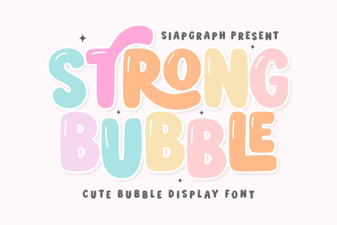 Bold Bubble Fonts for Creative Projects and Designs
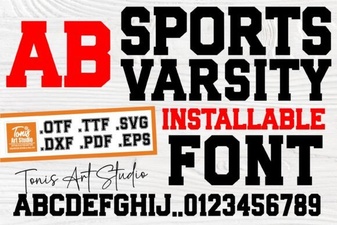 Modern Varsity Fonts for Sports Design Projects
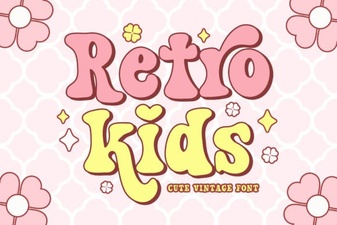 Free Retro Fonts for Kids & Playful Designs
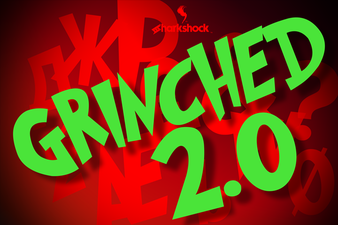 Free Grinched 2.0 Font for Holiday Designs
 Designer Fonts for Creative Projects
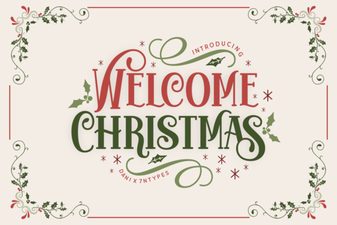 Welcome Christmas Fonts for Seasonal Designs