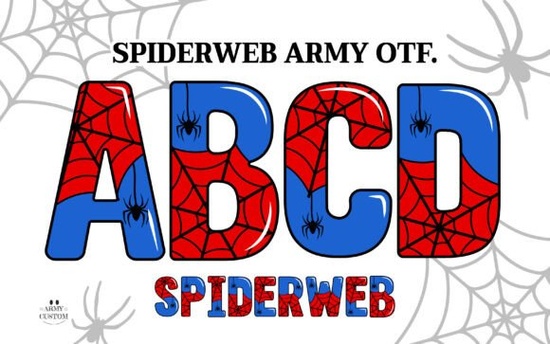
If you're looking for a font that stands out on greeting cards, t-shirts, or social media graphics without needing advanced design skills the Spiderweb Army Font is worth trying. It’s not just another decorative typeface. Its layered, web-like texture gives it subtle depth, and the color version adds visual interest right out of the box. Whether you’re designing for print-on-demand, cutting vinyl with a Cricut, or building Instagram story templates, this font offers flexibility most display fonts don’t.
What makes Spiderweb Army Font different from other spooky or military-style fonts?
Most “army” or “spiderweb” fonts lean heavily into grunge, stencil, or distressed looks but they’re usually monochrome and flat. Spiderweb Army Font includes both a black outline version (which works with Cricut Design Space and Silhouette Studio) and a full-color OpenType SVG version. That means no manual layering or color fills needed in compatible apps. The color version renders as one clean glyph with built-in shading, gradients, and texture like a ready-to-use illustration.
The design balances boldness and detail: thick stems anchor the letters, while fine web-like filigree wraps around curves and terminals. It’s legible at medium sizes but still has personality unlike overly busy fonts that vanish when scaled down.
Which software actually supports the color version?
The color (OTF/SVG) version works in Adobe Photoshop CC 2017+, Illustrator CC 2018+, and Affinity Photo 2. It does not work in Cricut Design Space, Canva, or older versions of CorelDRAW. If you’re using those tools, stick with the black outline OTF or the included PNG files.
The bonus PNGs are transparent-background, high-resolution (300 DPI), and come in multiple sizes ideal for quick uploads to Etsy listings, Shopify banners, or PowerPoint presentations where color fonts aren’t supported. You’ll find them helpful if you’re batch-creating product mockups or need consistent styling across platforms.
Can I use it for commercial projects?
Yes with a standard Creative Fabrica license. You can use Spiderweb Army Font in physical products (like mugs, shirts, or stickers), digital downloads (SVG cut files, Canva templates), and social media content. You can’t resell the font file itself or claim it as your own design. For full details, check the license terms on the product page.
If you regularly sell POD items, this font pairs well with nature-themed designs, Halloween collections, or edgy minimalist apparel. Try pairing it with clean sans-serifs for contrast or layer it over subtle textures like linen, concrete, or ink splatters.
How do I get started without overcomplicating things?
Start simple:
- Download the ZIP and extract all files don’t skip the PNGs, even if you plan to use the OTF.
- Install the black OTF first if you’re cutting with Cricut it loads like any other font and cuts cleanly.
- In Photoshop or Illustrator, select the color version from your font menu and make sure your document is set to RGB mode (color fonts won’t render in CMYK).
- Adjust size and spacing carefully the web details hold up best above 48 pt for print, or 60+ px for web.
You’ll also find a handy PDF guide inside the download folder with tips for spacing, recommended pairings, and common troubleshooting (like why the color version might appear gray in some apps).
For designers who like to explore alternatives, there’s a similar aesthetic in the Spiderweb Army Font family, though this is the original and most widely used version. Other related fonts like gothic web font or military display font tend to be more rigid or less textured.
If you’ve tried other spiderweb or tactical fonts and found them too thin, too cluttered, or hard to cut, give this one a test run on a small project first like a single Instagram quote graphic or a sample heat-transfer design. You’ll quickly see whether its balance of detail and readability fits your workflow.
Before you install: Check your software version first especially if you plan to use the color version. And if you’re sharing files with clients or collaborators, send them the PNGs instead of relying on font embedding. That avoids missing-font warnings and keeps your layouts intact.
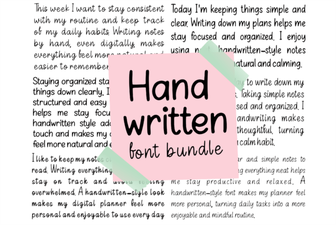 Enhance Your Designs with Our Handwritten Font Bundle
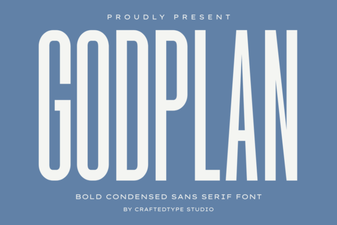 Godplan Font: Styles for Faith-Based Designs
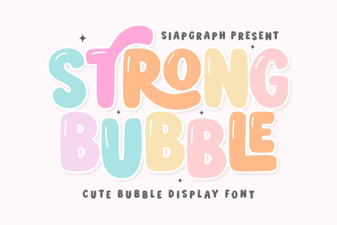 Bold Bubble Fonts for Creative Projects and Designs
 Modern Limited Font: Typography for Minimalist Projects
 Cormorant Garamond for Elegant Web Typography
 Chunky Fonts for Bold, Clear Graphic Design