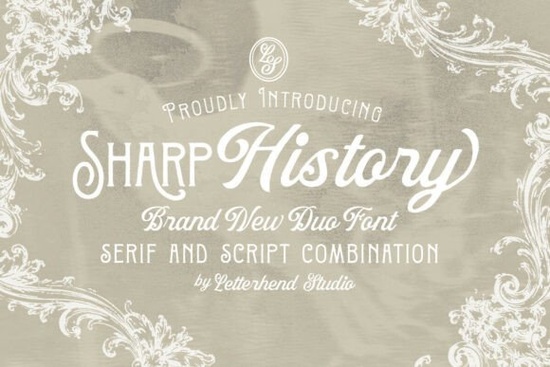
If you're looking for a vintage-inspired font that works equally well on wedding stationery, small-batch product labels, or a boutique brand identity, Sharp History Font is worth your attention. It’s not just another retro serif it’s a thoughtfully paired duo: one decorative serif with quiet ornamental details, and one smooth, natural-looking script. Together, they balance structure and softness in a way that feels intentional, not forced. You’ll find it especially useful if you’ve ever struggled to pair fonts that look cohesive without being too matchy or too mismatched.
When does Sharp History Font fit best?
This font set shines where authenticity and quiet elegance matter more than flashiness. Think handwritten-style signatures next to crisp serif headings on a hand-printed greeting card. Or a small-batch soap label where the brand name flows in script and the scent description sits cleanly in serif. It’s also popular among designers creating editorial layouts for lifestyle blogs or print zines especially those leaning into mid-century or early-1900s visual references. Unlike some vintage fonts that lean heavily into ornamentation or exaggerated contrast, Sharp History Font keeps things readable and adaptable across sizes and mediums.
The serif half has gentle bracketing, modest stroke variation, and subtle finials details that nod to historical typefaces without copying them outright. The script avoids tight loops or aggressive slant, making it easier to kern and scale than many script fonts. That means fewer hours tweaking letter spacing in Canva or Illustrator and fewer surprises when it prints.
How does it compare to other serif fonts on Creative Fabrica?
It’s less formal than fonts in our collection of strong, high-contrast serifs, which tend to work better for headlines or logos needing bold presence. And it’s warmer and more personal than the clean, journalistic feel of fonts like Medvilea Editorial, which leans into readability over charm. If you’re drawn to Sharp History Font, you likely value subtlety like how a serif’s small serifs echo the ink bleed of letterpress, or how a script’s entry and exit strokes mimic natural pen movement.
You can see real-world examples and licensing details on the official page: Sharp History Font.
What kinds of projects get good results with this font?
- Wedding invitations and day-of stationery The script handles names and quotes gracefully; the serif adds weight to “Mr. & Mrs.” or event details.
- Small business branding Especially for bakeries, apothecaries, florists, or handmade goods where warmth and heritage matter.
- Greeting cards and printable art Works well at both small (8 pt) and large (72 pt) sizes without losing character.
- Packaging for print-on-demand products Its balanced x-height and open counters help it stay legible on fabric tags, kraft boxes, or sticker sheets.
- Digital layouts for newsletters or blogs When exported as webfont-friendly formats (like WOFF2), it holds up well on screens with proper fallbacks.
Things to keep in mind before using it
Like most script + serif duos, Sharp History Font benefits from thoughtful hierarchy. Avoid setting full paragraphs in the script it’s designed for emphasis, not body text. Also, check the included OpenType features: some weights include alternate characters and ligatures that add nuance (like a swash “Q” or connected “Th” pair). These aren’t automatic you’ll need to enable them in design software like Affinity Designer or Adobe apps.
If you’re new to pairing fonts, try starting with the serif for headings and the script only for short phrases names, dates, or single lines of poetry. Once you’re comfortable, experiment with reversed roles: script headline + serif subhead. Just remember to maintain enough contrast in weight and style so the two don’t visually compete.
You can explore more options in the same category by browsing serif fonts with vintage character, where you’ll find similar-but-distinct alternatives depending on whether you need higher contrast, tighter spacing, or more pronounced calligraphic influence.
Before downloading or purchasing:
- Check the license especially if you plan to use it for client work or physical products you’ll sell.
- Preview both fonts together in your intended layout tool (Canva, Cricut Design Space, Illustrator, etc.) some apps handle script fonts differently than others.
- Test print a sample at actual size, especially if using for packaging or stationery. Ink spread on uncoated paper can soften fine details.
- Try pairing it with a neutral sans-serif (like Montserrat or Lato) for modern contrast if your project needs flexibility beyond pure vintage.
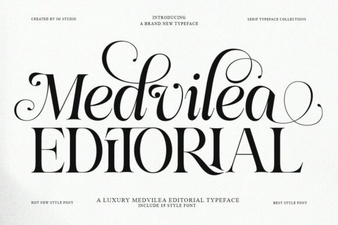 Medvilea Editorial Font for Creative Typography Design
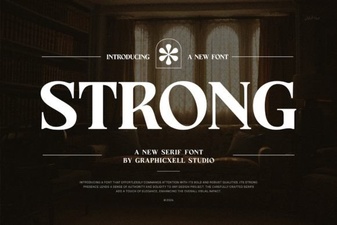 The Impact & Use of Strong Fonts in Modern Design
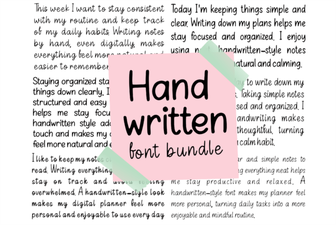 Enhance Your Designs with Our Handwritten Font Bundle
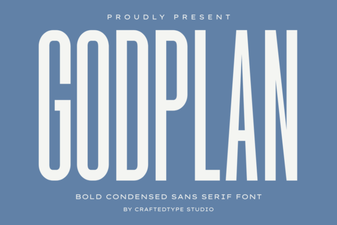 Godplan Font: Styles for Faith-Based Designs
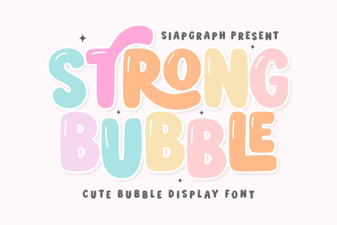 Bold Bubble Fonts for Creative Projects and Designs
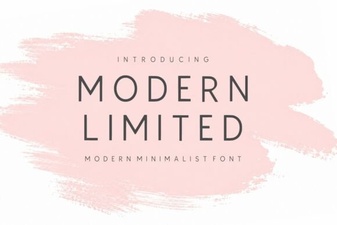 Modern Limited Font: Typography for Minimalist Projects