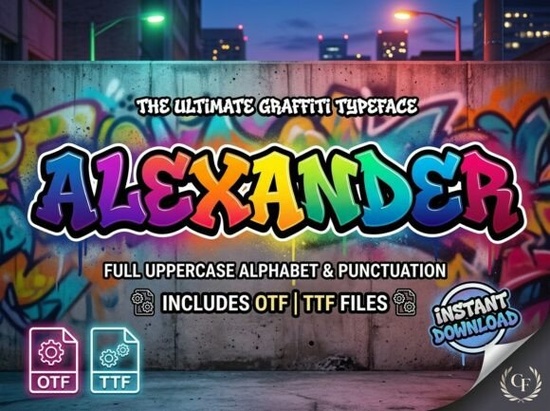
If you're looking for a decorative display font that stands out without feeling gimmicky, the Alexander Font is worth your attention. It’s not just another script or serif it’s a carefully crafted typeface with expressive letterforms, subtle flourishes, and balanced weight contrast. Designers and small business owners tell us it works especially well when they need typography to carry visual weight on its own: think bold poster headlines, hand-crafted brand marks, or merch designs where the font is the statement.
When does Alexander Font work best?
This isn’t a font you’d use for body text or long paragraphs and it’s not meant to be. Its strength lies in intentional, high-visibility moments. For example:
- Posters and wall art: The letterforms have enough personality to hold attention from across a room especially when sized large and paired with generous spacing.
- Small business branding: Cafés, boutiques, and creative studios use it for shop signs, business cards, and Instagram story headers because it feels human-made, not algorithmically generated.
- Apparel and print-on-demand: It scales cleanly to screen-printed tees, embroidered patches, and tote bags no pixelation or lost detail, even at medium sizes.
- Social media graphics: On feeds crowded with similar-looking fonts, Alexander adds quiet distinction especially in quote posts or limited-edition launch announcements.
How easy is it to use?
You don’t need design experience to get good results. The font installs like any standard OTF or TTF file and works right away in tools you already use: Canva, Adobe Photoshop, Illustrator, InDesign, Microsoft Word, and Cricut Design Space. No plugins or special setup required. On Mac or Windows, it shows up in your font menu as “Alexander” just select and type.
Because it’s a single-style decorative font (not a full family with weights or alternates), it’s straightforward to manage in projects. That simplicity helps avoid overcomplicating layouts especially helpful if you’re designing your own product packaging or event flyers on a tight timeline.
What kind of projects do people actually make with it?
We looked at real Creative Fabrica user uploads tagged with this font and saw consistent patterns. Most common uses include:
- Wedding invitation suites (especially for names or “Mr. & Mrs.” lines)
- Local coffee shop chalkboard-style menus and seasonal specials
- Indie music album artwork and band merch (it pairs well with textured backgrounds and muted palettes)
- DIY greeting cards and printable wall quotes for home decor
- Handmade soap or candle labels where artisanal feel matters more than corporate polish
One craft seller told us she switched from a generic script font to Alexander Font for her lavender-scented candle line and saw a noticeable lift in engagement on Instagram posts featuring new scents. She attributed it to how clearly the font communicated “hand-poured” and “small batch” without saying a word.
Is it compatible with my tools?
Yes if your software supports OpenType or TrueType fonts (and nearly all do), Alexander Font will load without issues. That includes beginner-friendly platforms like Canva and Cricut Design Space, where you can upload it as a custom font and use it alongside built-in options. In Adobe apps, it appears in your font list and supports basic OpenType features like ligatures and stylistic alternates though it doesn’t include an expanded character set like multilingual glyphs or extensive punctuation variants.
It’s also designed to render cleanly at both digital and print resolutions, so whether you’re exporting a 300 DPI PDF for packaging or saving a PNG for social media, edges stay crisp and details remain legible.
Where to find it and what else to consider
The Alexander Font is available on Creative Fabrica as a standalone download. If you’re exploring other options in the same style, you might also browse decorative fonts or display fonts but keep in mind that Alexander sits in a sweet spot between ornate and usable. It has presence, but doesn’t overwhelm supporting elements like photography or illustrations.
Before downloading, ask yourself:
- Do I need this for headlines, logos, or short phrases not long text?
- Will it be used mostly at larger sizes (24pt and up)?
- Am I okay with one style only (no bold/italic variants included)?
- Does my project benefit from a warm, hand-drawn-but-polished look?
If you answered “yes” to most of those, Alexander Font is likely a solid fit and worth trying in your next layout.
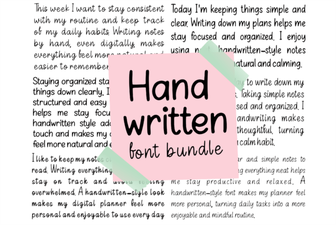 Enhance Your Designs with Our Handwritten Font Bundle
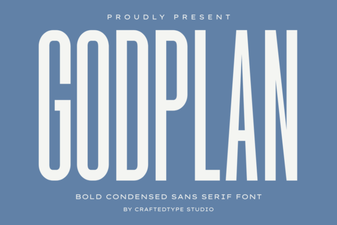 Godplan Font: Styles for Faith-Based Designs
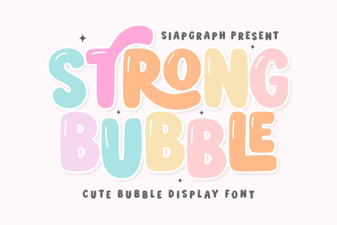 Bold Bubble Fonts for Creative Projects and Designs
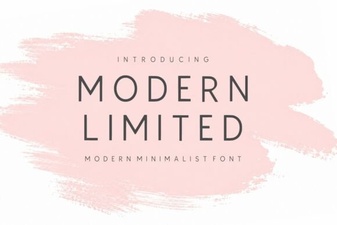 Modern Limited Font: Typography for Minimalist Projects
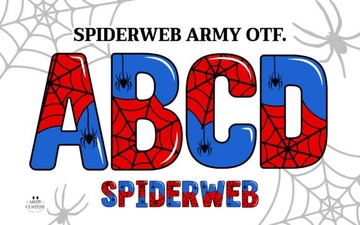 The Spiderweb Army Font: a Designers Guide
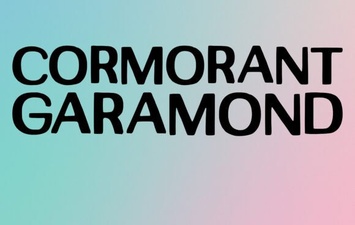 Cormorant Garamond for Elegant Web Typography